About Programme Design
The United Nations views Sustainable Development Goals as inseparable from peace: "There can be no sustainable development without peace, and no peace without sustainable development." (UN's 2030 Agenda for Sustainable Development)
The curriculum contents can be adjusted to different levels of learning from Kindergarten (KG) to Grade 12, applicable to a wide range of subject areas, formal or informal learning, to support Citizenship and Social Development subject, creating space for life skills development including teamwork, creativity and innovation.
Schools are encouraged to adopt and adapt contents of activities to meet diverse interests of young minds and cater to the different learning needs of participants. Peace is used as a cross-curriculum theme for interdisciplinary and holistic learning to ready our young people to embrace living in an increasingly complex and fast‑changing world.
The programme design team is conscious of the workload of stakeholders, both students and teachers. Schools are encouraged to discover in those in-school learning, inside or outside classroom, formal or informal activities their students engaged in, and map them to the FOUR peacebuilding areas of the programme:
01
Community Services
02
United Nations International Days
03
Sustainable Development Goals
04
Culture and Actions for Peace



The 4 Recognized Areas (Core Pillars)
80+
Peace-themed Activities Dedicated by Peace Schools Each Year
40,000+
Total Participants Engaged in 2024/25

4 Core
Community Services, UN International Days, SDGs, and Culture & Actions for Peace
The Peace School Programme 2024/25 witnessed the dedication of peace schools in cultivating positive values inchildren and young people, empowering students to explore and contribute to peacebui lding. As the programme entered its fourth year, over 40,000 participants were engaged in about 80 activities encompassing four recognized areas: Community Services, Sustainable Development Goals (SDGs), United Nations International Days, and Culture & Actions for Peace.
Featuring an array of vibrant events, participating peace schools demonstrated a thorough understanding of peace education, incorporating individual, social, cultural, ecological and institutional peace into an exciting curriculum for students to enjoy. Through continued effort, they strive to actualize peace learning, building, collaborating, sustaining and envisioning within the school community.
Featuring an array of vibrant events, participating peace schools demonstrated a thorough understanding of peace education, incorporating individual, social, cultural, ecological and institutional peace into an exciting curriculum for students to enjoy. Through continued effort, they strive to actualize peace learning, building, collaborating, sustaining and envisioning within the school community.
Community Services
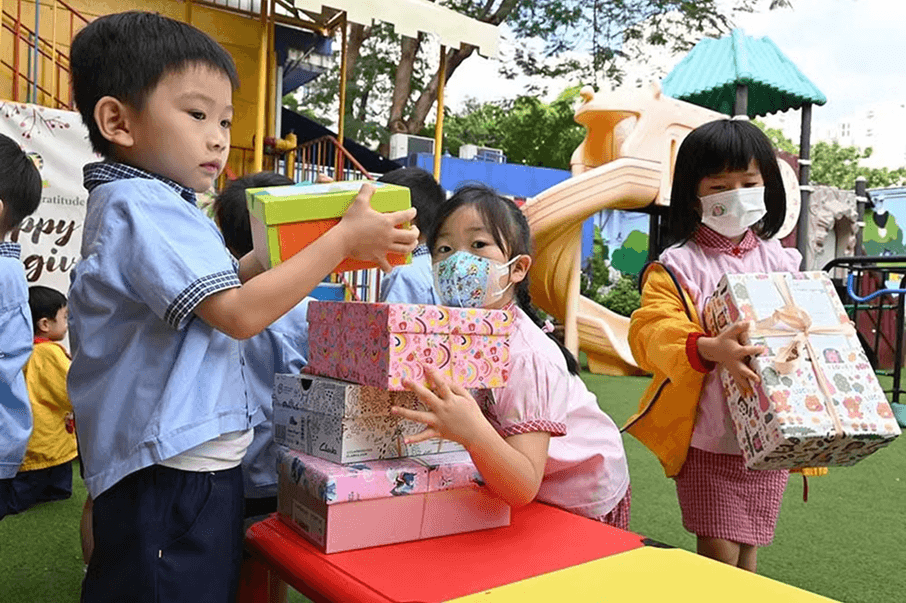
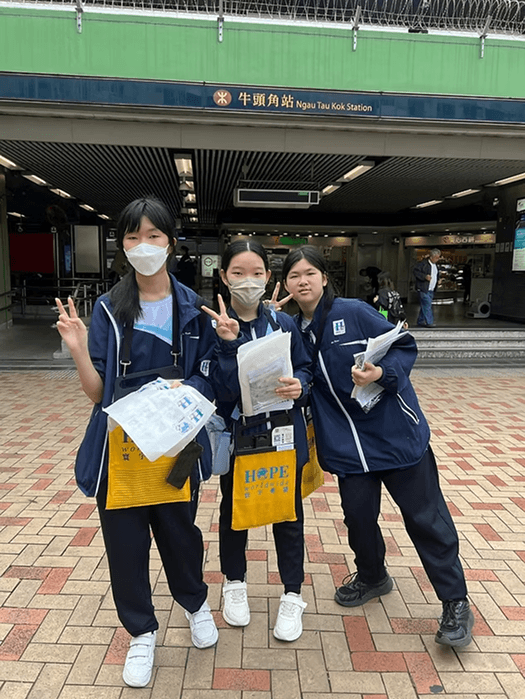
The Peace Schools had organized communityservices for 6 major types of service targets:
-
Senior citizens
-
People with Disabilities
-
Children
-
The Homeless
-
Recovering addicts
-
The General public
The schools partnered with organizations such as elderly homes and academies, community centres, environmental protection organizations, and children’s centres.

01
Community Services

United Nations International Days
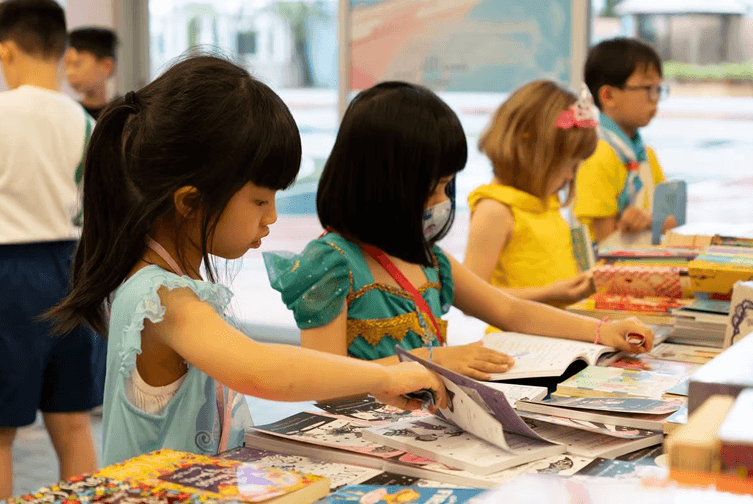
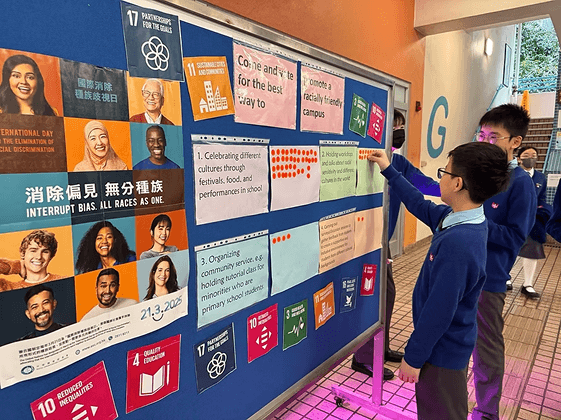
United Nations International Days serve to promote different objectives of the Organization through curated events and discussion. The peace schools echo the UN’s sentiment through eager participation in these International Days, exploring topics such as gender equality, linguistics, and mental health through creative channels.
The related activities could be categorised into 4 main themes:
-
Peace and Social Equality
-
World City and Urban Development
-
Literacy and Culture
-
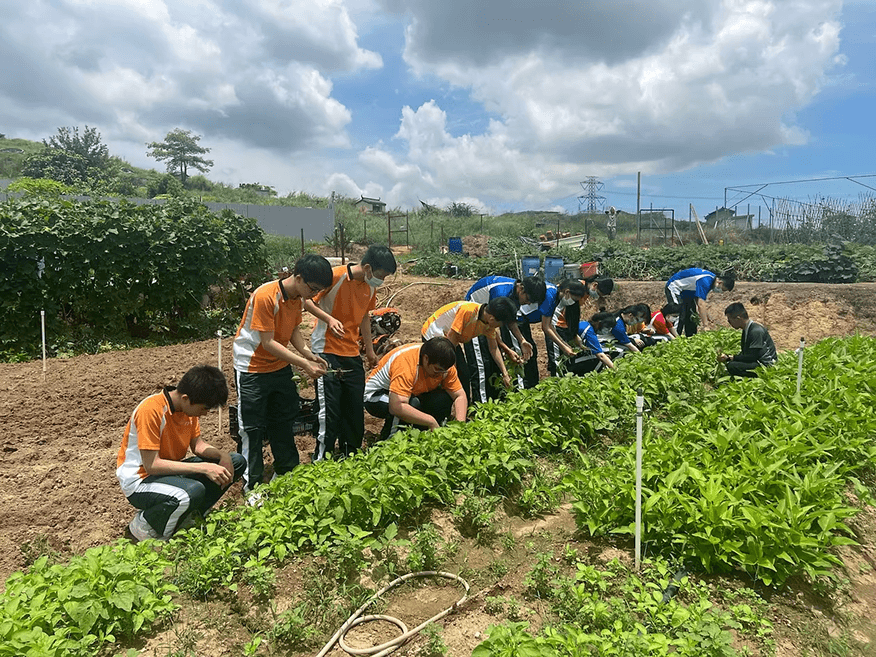
Nature and Environmental Sustainability
02
United Nations International Days
Sustainable Development Goals
Some schools carried out intensive projects that introduced all 17 SDGs to participating students, while others organized activities tackling specific topics. Among them, some students had the privilege to visit water treatment plants and wind turbine model making workshops, learning more about clean water and sanitation, as well as sustainable energy sources.
The top 4 SDGs covered in the peace school activities were:
Goal 3: Good Health and Well-Being
Goal 4: Quality Education
Goal 11: Sustainable Cities and Communities
Goal 13: Climate Action
Goal 4: Quality Education
Goal 11: Sustainable Cities and Communities
Goal 13: Climate Action
03
Sustainable Development Goals
Culture and Actions for Peace
Individual Peace and Social Peace were reported to be the two aspects most covered in school activities during the 2024-25 season. In comparison, Institutional Peace received less attention.
Overall, schools believed that their activities have sufficiently promoted peace learning, building, collaborating and sustaining. 11 participating institutions also believed that they have accomplished peace envisioning.
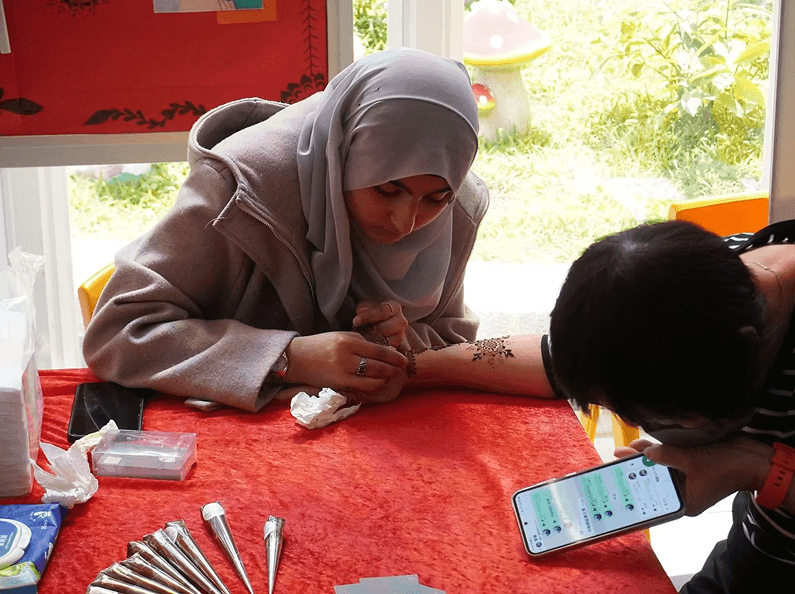
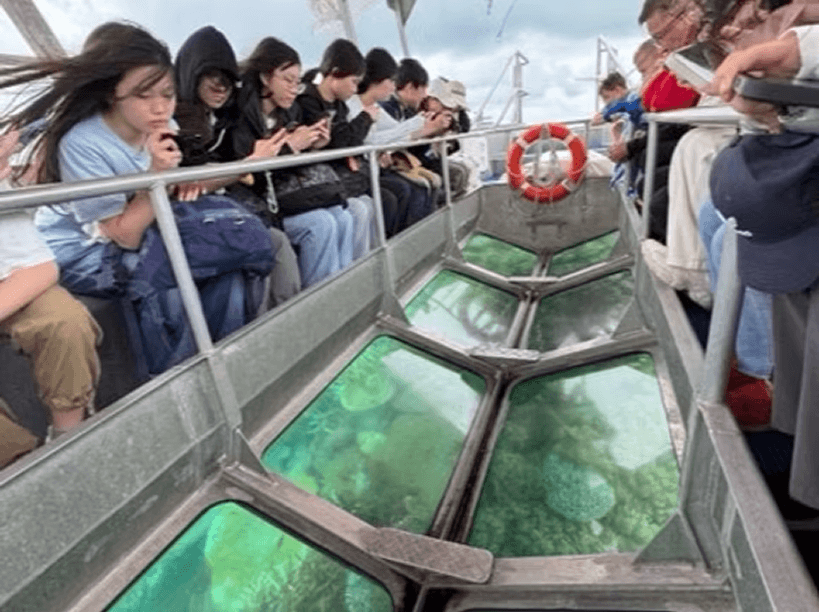
In order to promote culture and peace, participating schools organized a wide variety of activities that are both engaging and meaningful
04
Culture and Actions for Peace


Benefits for Participants
The Peace School Programme combines Student Development, Values Education and Teachers Training.

For Schools
-
Official recognition as a “Peace School” with certification.
-
Visibility through listings on the programme’s website and social media.
-
Opportunities to highlight peace building initiatives to a wider audience.

For Teachers
-
Access to professional development programmes in peace education.
-
Support in weaving peace and SDG themes into curricula and classroom practice.
-
Strengthening of values education, helping teachers instill empathy, respect, and civic responsibility in their students.

For Schools
-
Engagement in activities that cultivate empathy, civic responsibility, and global awareness.
-
Empowerment to become active contributors to peaceful and sustainable communities.
-
A learning environment that values cooperation, respect, and problem-solving.
-
Direct participation in values education, fostering integrity, compassion, and a sense of global citizenship.


How to become a Peace School
The Peace School Programme runs annually and it is open to schools from Kindergarten to Secondary Education.

Registration
Schools can enroll before the end of September.

Recognition
In or before May, each school submits a short report documenting activities carried out during the past academic year.

Year End Celebration: Peace School Assembly
The Assembly to wrap up the school year will be organised to celebrate and recognise the achievements of the schools.
Schools are also invited to nominate one of their outstanding activities to contest for the Outstanding Action for Peace Award. Winning initiatives will not only be widely promoted across GPC’s platforms but will also have the opportunity to showcase and share their achievements at the Peace School Assembly, celebrating and promoting the school's success through diverse channels.
Schools are also invited to nominate one of their outstanding activities to contest for the Outstanding Action for Peace Award. Winning initiatives will not only be widely promoted across GPC’s platforms but will also have the opportunity to showcase and share their achievements at the Peace School Assembly, celebrating and promoting the school's success through diverse channels.

Programme timetable
The earlier you sign up, the more priority benefits your school will receive, including enriched partner educational resources and event quotas!