Mold
DevelopmentMain 3
We have collaborated with our business partners to produce high-quality mold toolings, our experienced technical engineering team injects innovative ideas into each unique project and cater to a wide range of industries, equipped with 3D CAD/ProE systems for product development, we have successfully completed over 2000 projects globally since our inception.

We eagerly anticipate encountering further challenges in the future and exploring innovative technologies to advance sustainable development.

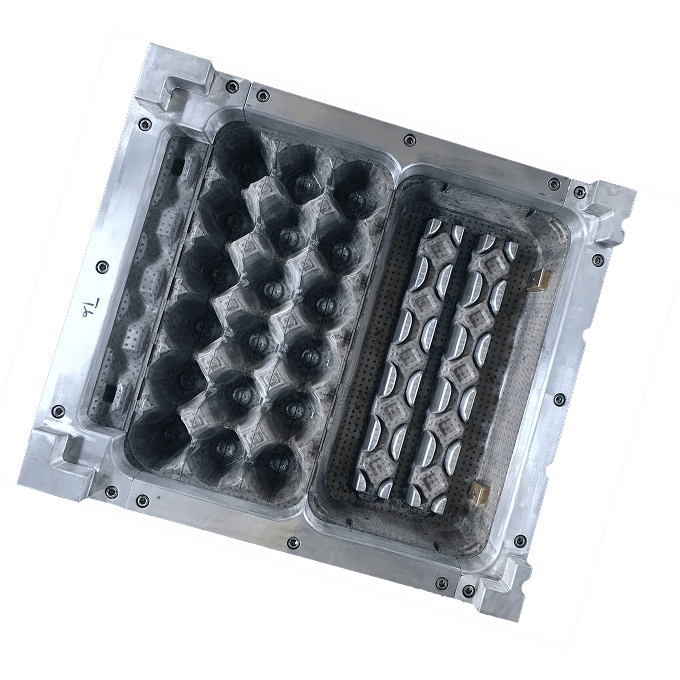
Forming mold

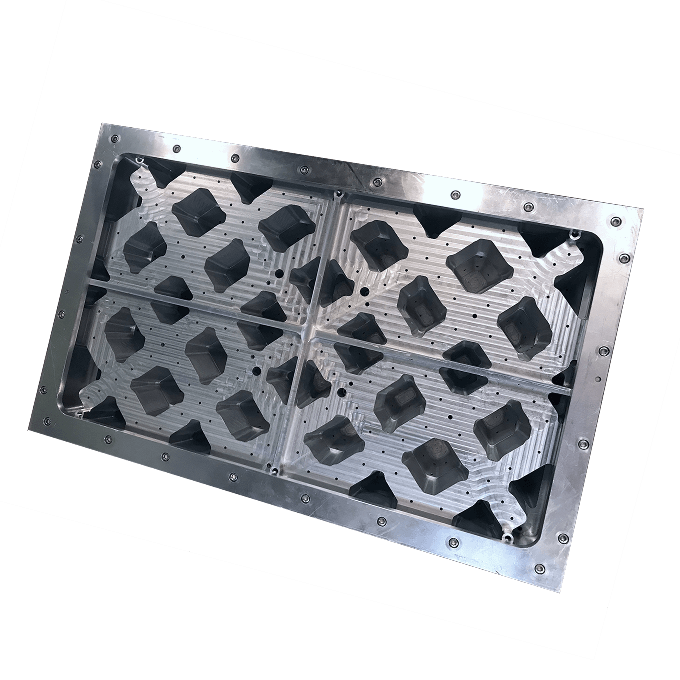
Transfer mold

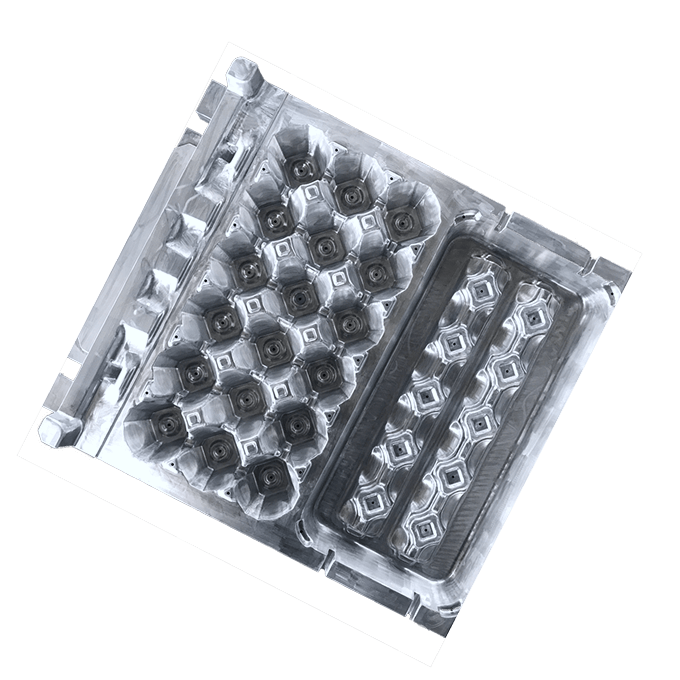
Press mold

Manufacturing

The Process of Mold Manufacturing Products.

Step 1

The forming mold is immersed in the slurry pool, where the vacuum negative pressure draws in the slurry (fiber) onto the surface of the mold. The metal mesh serves to enhance molding efficiency by capturing and retaining the slurry (fiber) to create a cohesive fiber layer.
Step 2

The Process of Mold Manufacturing Products.

Step 2

The transfer mold descends and seals the forming mold, while the vacuum lifts the wet embryo and transports it to the hot stamping mold.
Step 3

The Process of Mold Manufacturing Products.

Step 3

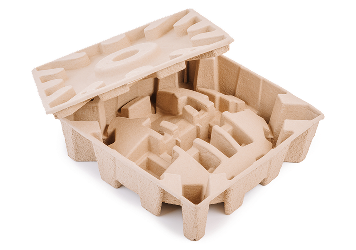
Under high temperature and pressure, the hot stamping mold is shut, pressing the dry and wet embryos together to form semi-finished paper trays.

The paper support is positioned on the edge trimming mold, where the edges are trimmed until the membrane lowers, allowing the blade to remove any excess edge material.

materials

6061 Aluminum

is a versatile alloy known for its good mechanical properties and corrosion resistance, making it ideal for structural applications. Commonly used in aerospace and automotive industries, it is lightweight and easy to fabricate.

7075 Aluminum

is a high-strength alloy primarily composed of zinc, designed for applications requiring durability and lightweight characteristics. It is frequently used in aerospace and military contexts due to its excellent fatigue resistance.

Cast Aluminum

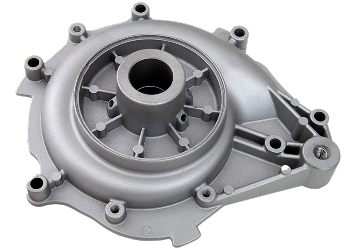
is produced by melting aluminum alloys and pouring them into molds, allowing for complex shapes with minimal waste. This lightweight and durable material is widely used in automotive and aerospace applications.

Copper

is a highly conductive metal valued for its excellent electrical and thermal properties. Its ductility and resistance to corrosion make it ideal for electrical wiring and plumbing.

Stainless Steel

is an alloy of iron, chromium, and nickel known for its strength and resistance to corrosion. It is commonly used in a variety of applications, including kitchenware and industrial equipment, due to its durability and low maintenance.

Services

Mold development

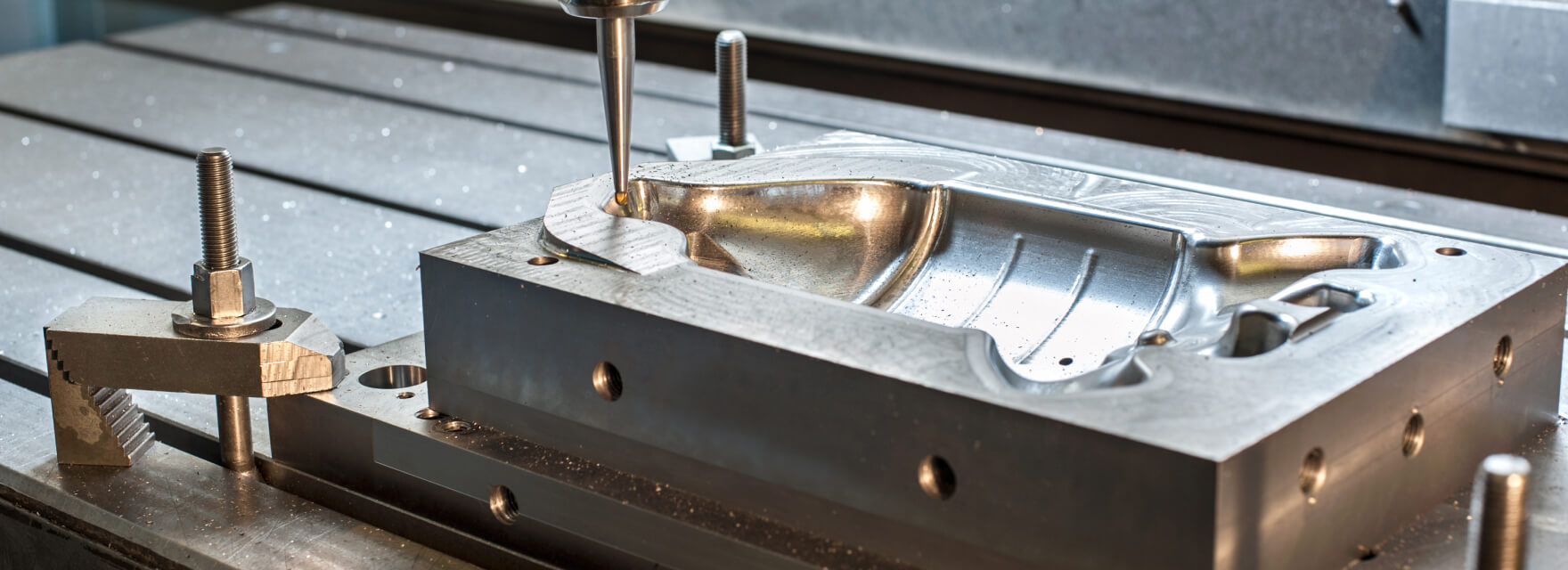
Mold development is a key process in manufacturing that involves designing molds to shape products. It begins with creating a model, selecting materials like steel or aluminum, and may include prototyping. Precision machining follows to create the mold parts, which are then assembled and tested. Once approved, the mold is used for mass production, with regular maintenance ensuring its longevity. This process is essential for efficient, high-quality product manufacturing.

01. Mold design

Mold design - We specialize in providing 3D CAD /ProE system design services for creating unique and custom products

02. Rapid Phototyping (CNC)

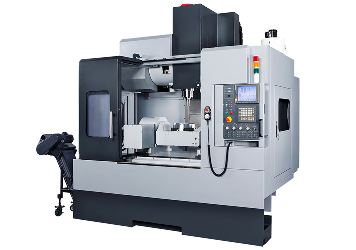
Rapid Phototyping (CNC) - We offer CNC services for quick and efficient prototyping

Testing report

We generate and send reports to customers, weekly updates ensure they stay informed about the progress.

04. Quality Inspection

Our top-notch quality inspection services guarantee product excellence

03. Production

Our manufacturing process commences following the prototyping phase

06.  Packing and delivery

Our process adheres to specific packing instructions for accurate delivery.
Move on the
next projects !